People Counting System: The Complete Guide to Footfall Counters, Sensors & Analytics (2026)
A people counting system is a technology solution that automatically tracks and records the number of individuals entering, exiting, or occupying a space. From retail stores and shopping malls to airports, museums, and smart office buildings, people counting systems have become essential tools for data-driven decision-making in 2026. For a focused introduction to the concept, see our dedicated Footfall Counting Guide.
In this complete guide, you’ll learn everything about people counting systems — how they work, which technologies deliver the best accuracy, what industries benefit most, and how to choose the right people counter sensor for your needs.

What Is a People Counting System?
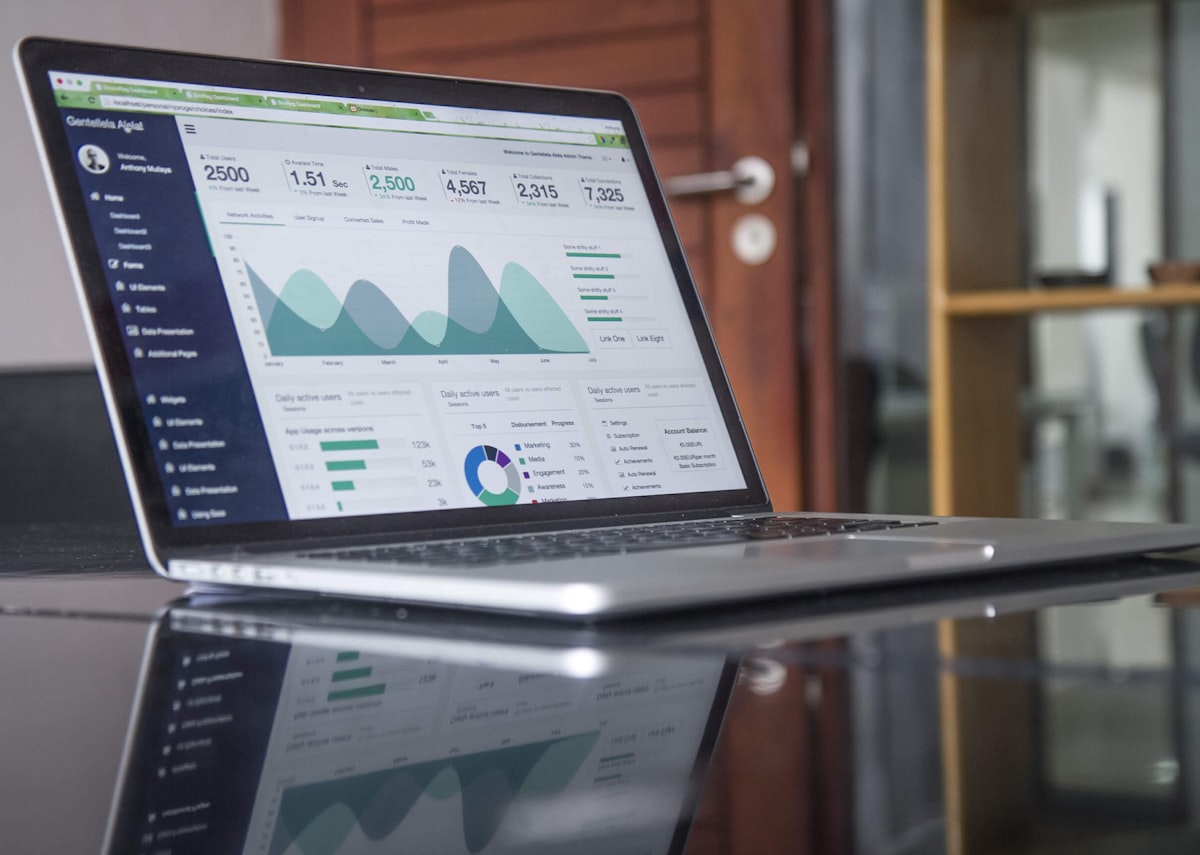
A people counting system (also called a footfall counter, visitor counter, or people counter) uses sensors, cameras, or infrared beams to detect and count people as they move through a defined area. The data is processed in real time and sent to analytics dashboards, giving businesses actionable insights on traffic patterns, occupancy, and customer behavior.
Modern systems go far beyond simple counting — they integrate with POS systems, HVAC controls, staffing software, and retail analytics platforms to create a fully connected smart building ecosystem.
Types of People Counting Technologies
There are several sensor technologies used in people counting systems, each with different accuracy levels, costs, and ideal use cases:
1. Infrared (IR) People Counters
Infrared people counting sensors use horizontal beams across doorways. When a person breaks the beam, a count is registered. These are among the most affordable options but have lower accuracy in high-traffic or bidirectional environments. Best for: small stores, single-entry offices, libraries.
2. 3D Stereo Vision People Counters
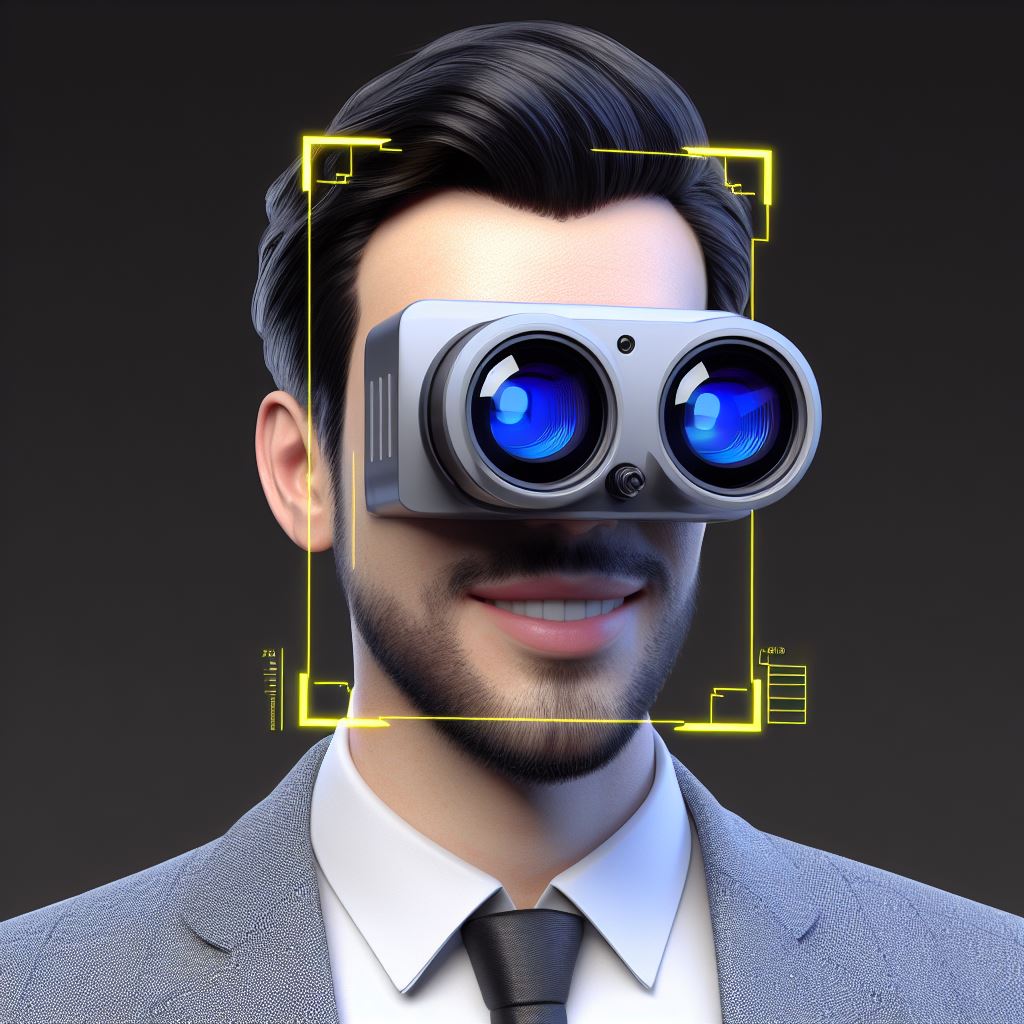
3D stereo vision systems use two cameras to create a depth map, distinguishing humans from shopping carts, strollers, and other objects. Accuracy rates of 95–99% are achievable. Popular solutions include FotfallCam, V-Count, and Xovis 3D people counters. Best for: retail chains, shopping malls, airports.

3. LiDAR People Counters
LiDAR (Light Detection and Ranging) people counting uses laser pulses to create precise 3D point clouds. This technology is inherently GDPR-compliant since it doesn’t capture identifiable images. Top providers include Terabee and Irisys. LiDAR sensors excel in low-light conditions and large open spaces. Best for: transportation hubs, smart buildings, airports, museums.
4. Thermal Imaging People Counters
Thermal people counting systems detect body heat signatures, making them highly accurate in varying lighting conditions and fully anonymous for GDPR compliance. They work well outdoors and in 24/7 environments. Best for: outdoor pedestrian counting, transit, casinos, and healthcare facilities.
5. Video-Based AI People Counters
AI-powered video people counting systems use deep learning algorithms to detect, track, and count people from standard security cameras. These systems can simultaneously deliver heat maps, dwell time analytics, and queue management. Providers like RetailNext, ShopperTrak, and Brickstream lead this category. Best for: large retail chains, shopping centers, casinos.
People Counting System Use Cases by Industry
Retail People Counting
Retail is the largest market for people counting systems. Stores use footfall data to measure conversion rates (visitors vs. buyers), optimize staff scheduling, evaluate the effectiveness of window displays, and compare performance across locations. The most cited KPI is the conversion rate: total transactions divided by total footfall.
Museum & Cultural Venue People Counting
Museums and galleries use visitor counting to manage capacity, comply with fire safety regulations, and report attendance figures to funders and boards. A museum people counting system can also track which exhibits attract the most visitors, enabling curators to optimize floor layouts.
Office & Workplace Occupancy Counting
Post-pandemic hybrid work has made office people counting a top priority for facility managers. Real-time occupancy data helps companies right-size their office space, reduce energy costs, and ensure HVAC systems match actual usage. This is a rapidly growing segment driven by ESG reporting requirements.
Transportation & Passenger Counting
Bus, rail, and metro operators deploy passenger counting systems to optimize schedules, monitor overcrowding, and report ridership data to regulators. Automatic Passenger Counters (APCs) installed at doors provide 98%+ accuracy even in high-flow rush-hour conditions.
Shopping Mall People Counting
Mall operators use footfall data to set tenant rents, allocate marketing spend, and negotiate with anchor stores. Zone-level counting helps identify which areas of the mall are under-performing, driving layout and tenant mix decisions.

How to Choose the Right People Counting System
When evaluating a people counting solution, consider these key factors:
- Accuracy requirements: High-traffic venues (airports, malls) need 97%+ accuracy. Low-traffic sites can accept 90–95%.
- Indoor vs. outdoor: Outdoor people counting requires weatherproof housings and sensors robust against sunlight and temperature fluctuations.
- GDPR & privacy compliance: For European deployments, choose LiDAR, thermal, or anonymized AI solutions that don’t capture biometric data.
- Integration capability: Can the system connect to your POS, CRM, or building management system via API?
- Cost & subscription model: Hardware costs range from $100 to $2,000+ per sensor. SaaS analytics platforms add monthly fees of $20–$200 per location.
- Installation type: Overhead mount vs. door-mounted sensors have different accuracy profiles and installation requirements.
Top People Counting System Providers in 2026
The people counting market features dozens of vendors. For a fully ranked and independently reviewed list, see the 2026 Power List: Top 50 People Counting Solution Providers. Here are the most recognized providers currently operating:
| Provider | Technology | Best For | Notable Feature |
|---|---|---|---|
| FotfallCam | 3D Stereo Vision | Retail, Malls | Cloud analytics dashboard |
| V-Count | 3D + AI Video | Retail Chains | Demographic analytics |
| Xovis | 3D Stereo Vision | Airports, Transport | Queue management |
| Terabee | LiDAR | Smart Buildings | GDPR-native design |
| ShopperTrak | Video AI | Large Retail | Global benchmarking data |
| RetailNext | Video AI | Enterprise Retail | Full-funnel analytics |
| Brickstream | 3D Video | Retail, Banking | Zone analytics |
| Sensource | IR + Video | SMB Retail | Easy DIY install |
| Irisys | Thermal + AI | Supermarkets | Queue prediction |
People Counting System Accuracy: What to Expect
Accuracy is the single most important metric when evaluating a people counting system. Here’s what each technology typically delivers in real-world deployments:
- Infrared beams: 85–93% accuracy (prone to errors with groups and children)
- 3D stereo vision: 95–99% accuracy (industry standard for retail)
- LiDAR: 97–99% accuracy (excellent in challenging lighting)
- Thermal imaging: 95–98% accuracy (great for 24/7 and outdoor use)
- AI video: 95–99% accuracy (depends heavily on camera quality and placement)

People Counting System Pricing: How Much Does It Cost?
One of the most common questions we receive is: “How much do people counting sensors cost?” Pricing varies widely based on technology and scale:
- Entry-level IR counters: $100–$400 per sensor (no subscription required)
- 3D stereo vision units: $400–$1,200 per sensor + $30–$80/month SaaS fee
- LiDAR sensors: $800–$2,500 per unit (premium accuracy, GDPR-safe)
- AI video systems: $200–$1,000 per camera + $50–$200/month per location
- Enterprise platforms (ShopperTrak, RetailNext): Custom pricing, typically $500–$5,000/month for full analytics
GDPR-Compliant People Counting Solutions
Privacy regulations like GDPR (Europe), CCPA (California), and PIPEDA (Canada) require that people counting systems not capture or store personally identifiable information. The safest technologies for GDPR-compliant people counting are LiDAR sensors (which only capture geometric point clouds) and thermal cameras (which detect heat signatures, not faces).
When using AI video-based systems, ensure the vendor offers on-device processing with facial blurring, no facial recognition capability, and data retention policies that delete raw footage within 24–72 hours.
Frequently Asked Questions About People Counting Systems
What is the best people counting system for small retail stores?
For small retail stores, we recommend 3D stereo vision counters from providers like Sensource, V-Count, or FotfallCam. These offer the best balance of accuracy, ease of installation, and affordable subscription pricing. Look for systems with no-subscription options if you’re budget-conscious.
Can I use my existing security cameras for people counting?
Yes — many AI people counting platforms can add counting functionality to existing IP cameras. However, accuracy depends heavily on camera placement (overhead is best), resolution, and frame rate. Check compatibility with your camera brand before purchasing a software-only solution.
How accurate are people counting systems?
Modern 3D and LiDAR people counting systems achieve 95–99% accuracy in controlled conditions. Infrared beam counters typically reach 85–93%. Accuracy can be affected by sensor placement, entrance width, peak traffic flow, and whether groups are counted correctly.
What is the difference between people counting and occupancy monitoring?
People counting tracks the number of entries and exits over time. Occupancy monitoring uses entry/exit data to calculate how many people are currently inside a space in real time. Occupancy monitoring is critical for fire safety compliance, social distancing enforcement, and energy management.
What industries use people counting systems most?
The top industries for people counting systems are: retail (largest market), shopping malls, airports and transportation, museums and cultural venues, corporate offices, healthcare facilities, hospitality (hotels, casinos), and public spaces (libraries, government buildings).
Conclusion: Choosing the Best People Counting System for Your Business
A people counting system is no longer a luxury — it’s a fundamental business intelligence tool that directly impacts revenue, staffing efficiency, and customer experience. Whether you’re a single-location boutique needing a basic footfall counter or a global retailer requiring enterprise-grade people counting analytics with heat mapping and AI, there’s a solution at every price point in 2026.
Use this guide to shortlist 2–3 vendors, request demos, and always ask for a real-world accuracy test in your specific environment. The right people counting system pays for itself within months through better conversion rates, optimized staffing, and smarter space management. Use our People Counting ROI Calculator to build your business case.
Ready to find the best people counting system for your business? Get a free quote from our vetted network of top people counting solution providers.